Detail
Weldability
AISI 420 is poorly suited to welding. Due to its high carbon content the steel tends to harden during welding, increasing the risk of cracking. If welding is unavoidable, appropriate precautions are required to obtain a safe, controlled result. Adequate preheating—typically 150 - 350°C depending on thickness and complexity—is recommended. Welding should be performed with low heat input and slowly to minimize the heat-affected zone. TIG and MIG processes are suitable for the welding itself. Post-weld tempering at around 650°C is commonly used to relieve stresses and improve toughness. Use of appropriate filler materials is strongly recommended.
Detail
Machinability
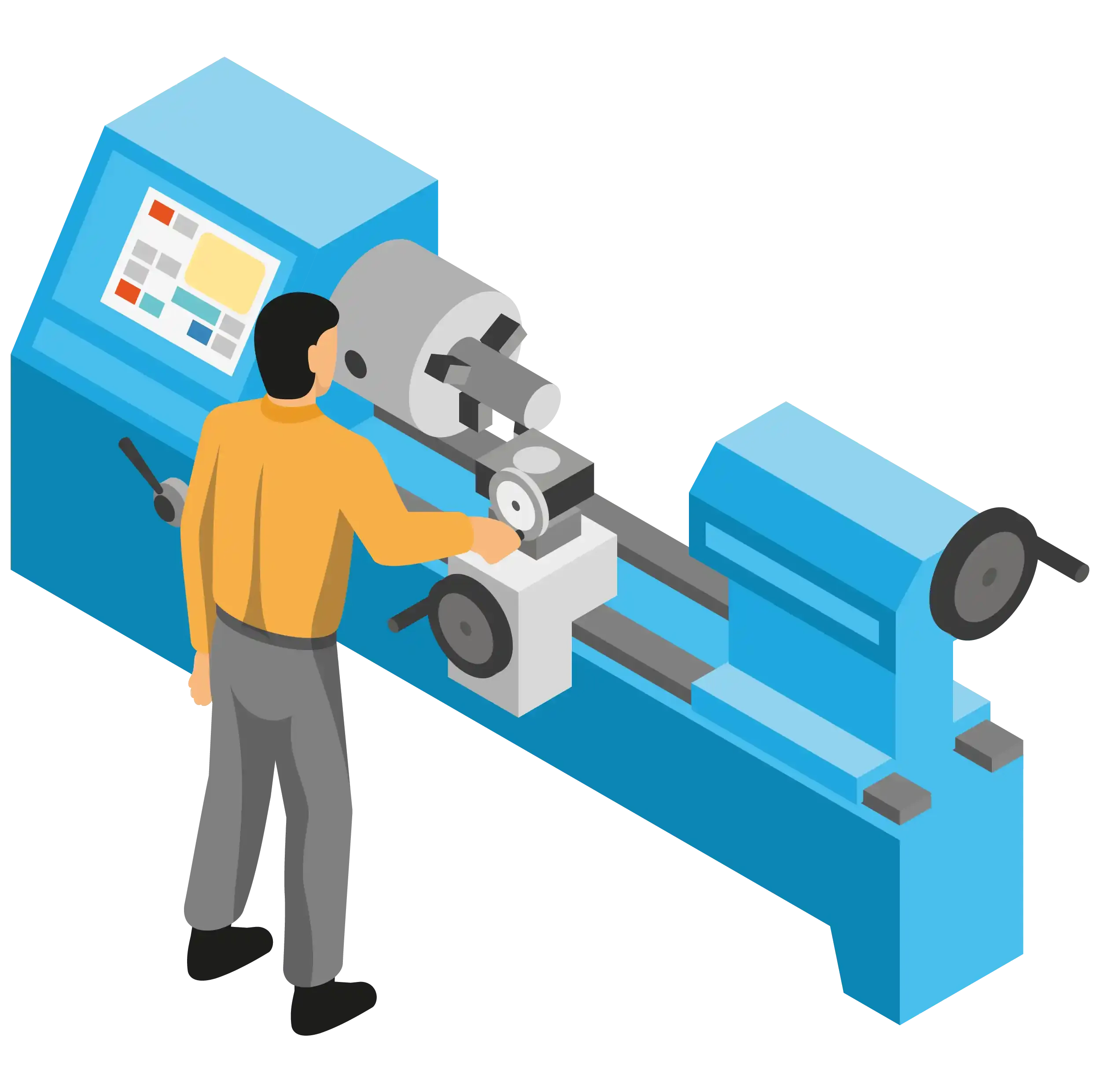
Machinability of AISI 420 depends on strength and hardness but is generally moderate. The higher carbon content and hardness make cutting more challenging and increase tool wear. Tool life is improved by using carbide tooling, reduced feed rates and low cutting speeds. With correct cooling and cutting parameters, AISI 420 can be machined successfully compared with other alloys.
Detail
Forgeability
AISI 420 forges well, typically in the 980–1200°C range. For best results, preheat slowly to about 800°C, then rapidly heat to forging temperature. Avoid dropping below 900°C during forging to reduce the risk of embrittlement. After forging, cool slowly and uniformly. Subsequent heat treatment may be required to achieve desired mechanical properties or improved surface quality.