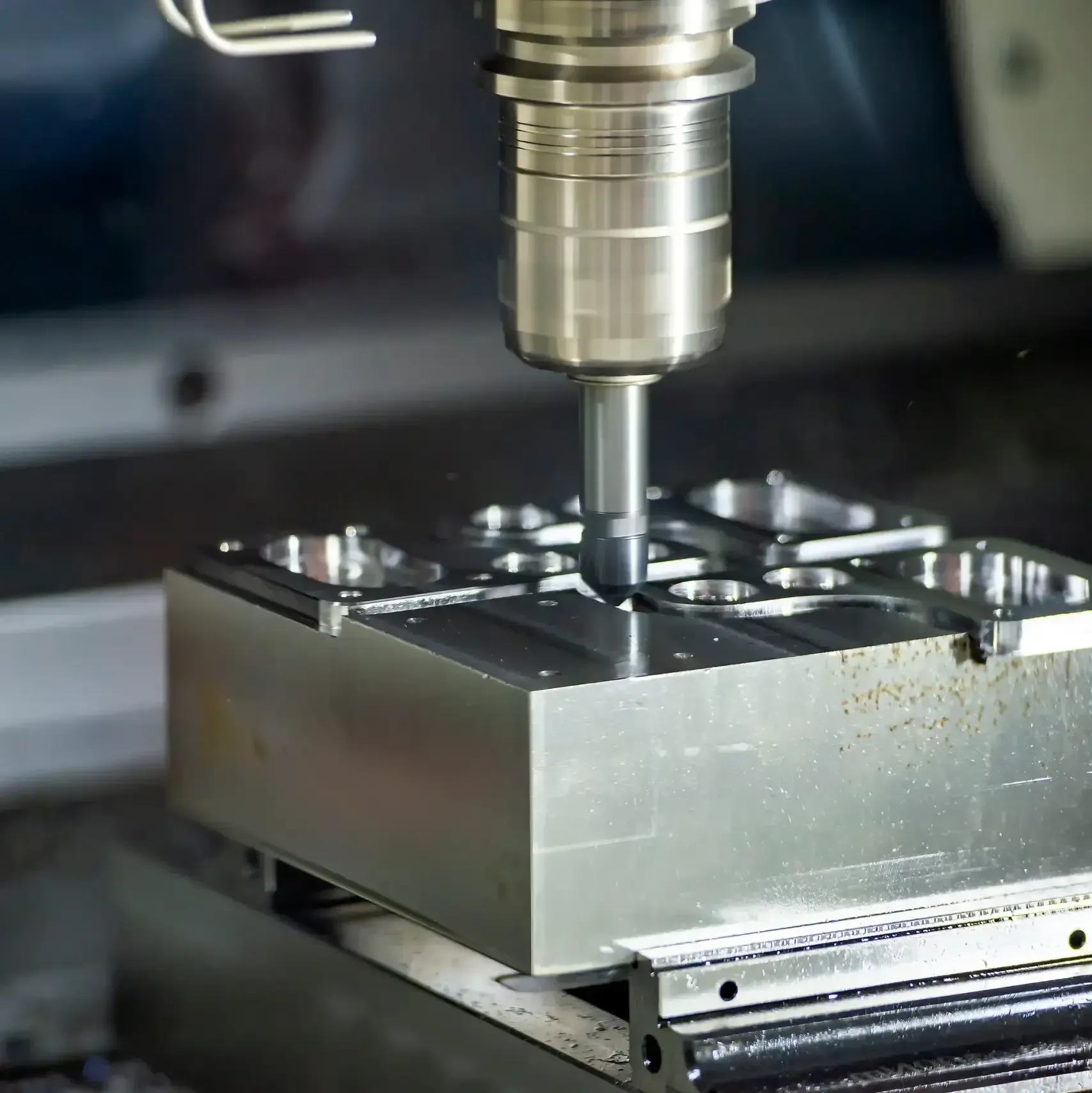
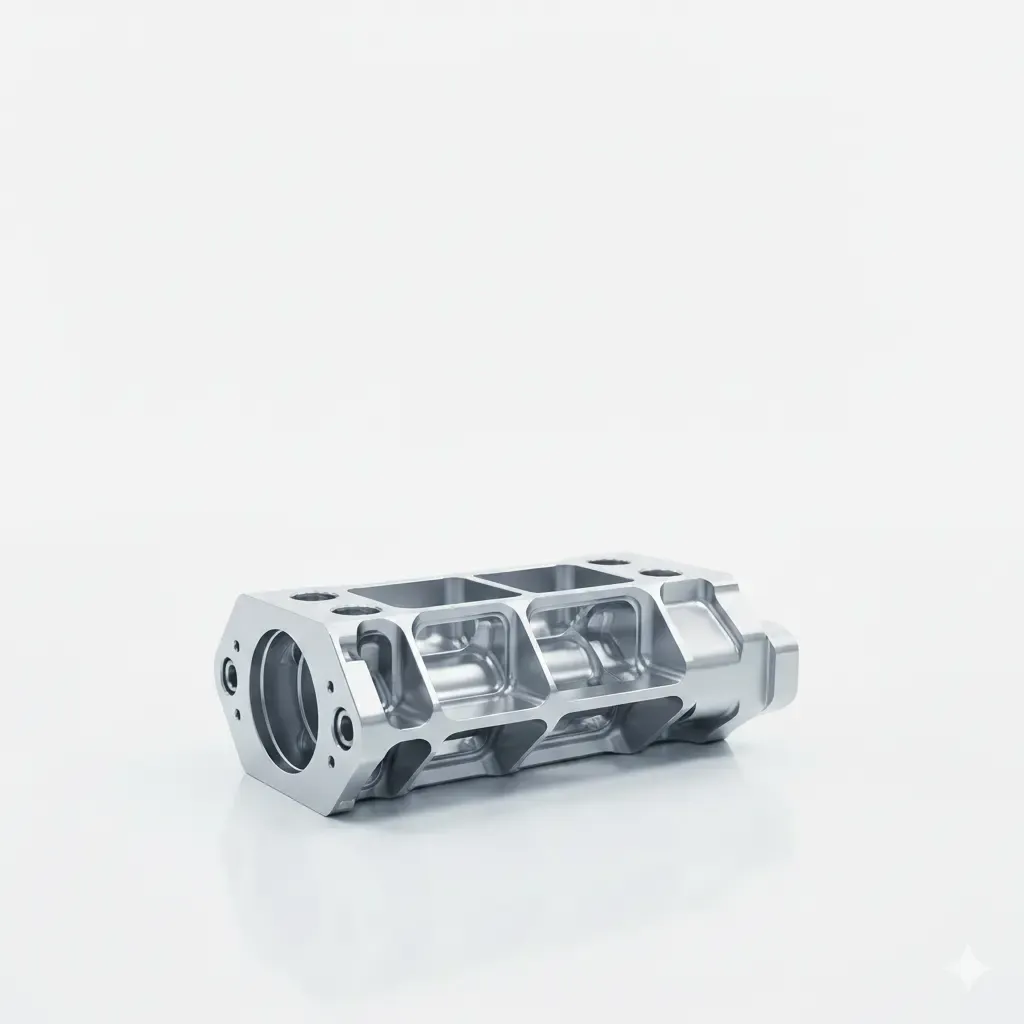
In classic process chains, a complex workpiece often passes through several stations: first turning, then milling, drilling or further machining on a separate CNC machining centre. Between these steps, the component has to be removed, transported, re-clamped, re-aligned and, if necessary, re-measured. That costs more than just time.
Every additional clamping operation changes the reference situation of the workpiece. This can affect positional and form tolerances, concentricity and coaxiality, dimensional accuracy, process repeatability, setup time, throughput time, personnel effort, intermediate storage and the risk of rejects.
A CNC turn-mill centre combines several of these operations within a single machine space. Depending on the machine concept, a main spindle and counter-spindle, milling spindle, tool magazine or turret, and additional linear and rotary axes enable largely complete machining.
The economic question is therefore not "How many axes does the machine have?" but "How many previously separate work steps can we reliably transfer into a controlled process?"
At assemblean, machine design therefore begins with your manufacturing task. Workpiece dimensions, clamping positions, machining proportions, required tools, tolerances and batch sizes determine which machine architecture makes sense. A technically more extensive machine is not automatically the more economical solution.