Dictionary
Dictionary
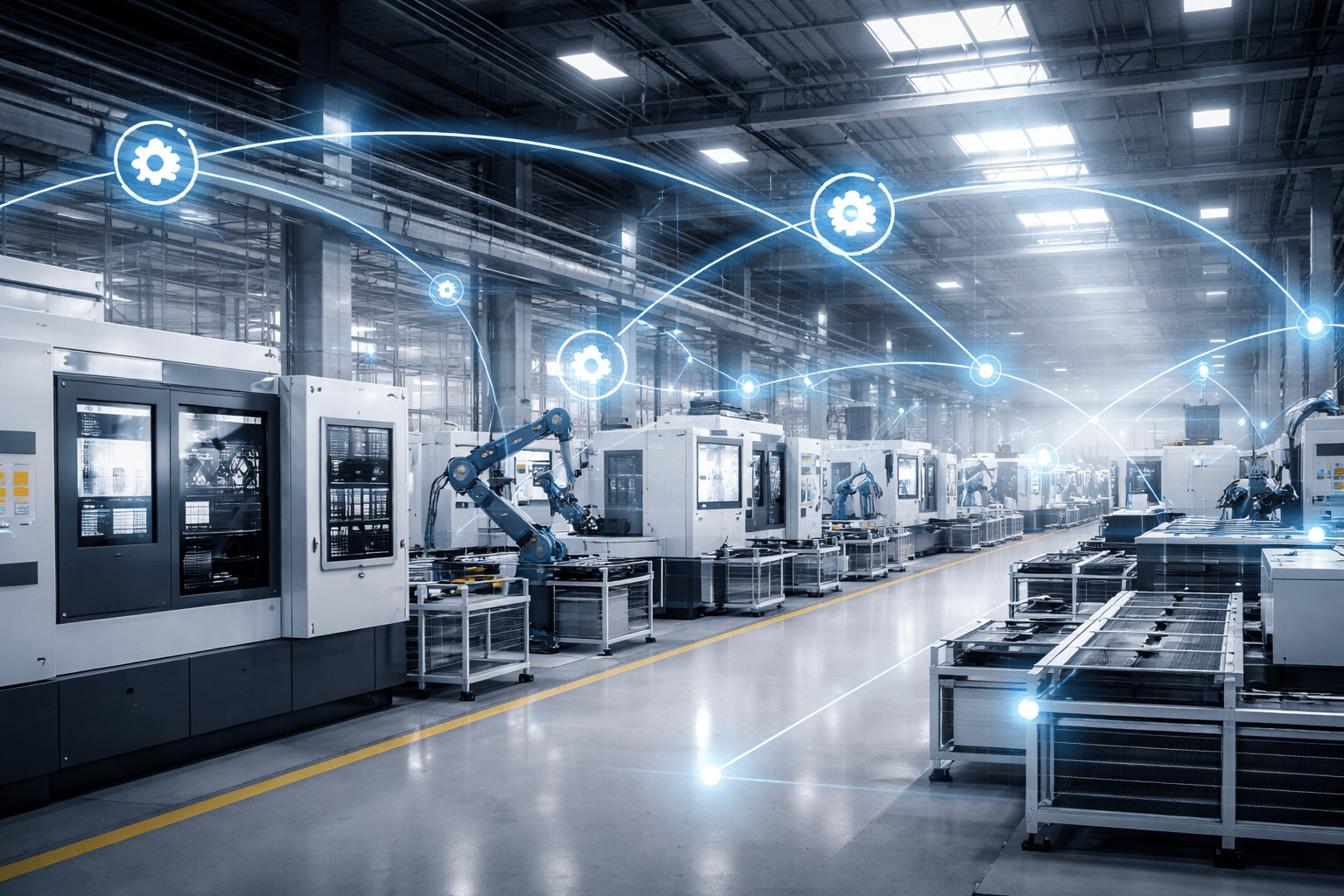
EnglishShort definitionThe Internet of Things (IoT) refers to a network of physical devices, machines and sensors that are connected to each other via the internet and exchange data. In the manufacturing industry, IoT enables the real-time monitoring of production processes, the optimization of workflows and the predictive maintenance of systems. By collecting and analyzing large amounts of data, companies can work more efficiently, reduce costs and improve product quality. IoT plays a central role in Industry 4.0 by driving the digitalization and automation of production facilities. The integration of IoT technologies helps to increase the competitiveness of manufacturers and develop innovative business models.

Dictionary
Additive manufacturing is an innovative manufacturing process in which material is added layer by layer to create three-dimensional objects. This approach enables the production of complex geometries and customized components that are often not feasible with traditional manufacturing methods. In industry, additive manufacturing is used to create prototypes quickly, shorten production times and increase material efficiency. It also offers flexibility for design adjustments without additional tooling costs, making development and production more agile. By reducing waste and optimizing the use of materials, additive manufacturing contributes to sustainable production and strengthens the competitiveness of companies in a wide range of industries.
Dictionary
Injection MoldingInjection molding is a manufacturing process in which molten material - usually plastic or metal - is injected into a mould or tool under high pressure. This process is mainly used in plastics and metal processing to produce precise and complex components in large quantities. Injection allows detailed shapes to be produced with tight tolerances and consistent quality, which is essential for series production. The technology enables efficient production processes, reduced material waste and quick changeover between different product variants. In industry, injection plays a central role in the production of components for the automotive, electronics, consumer goods and many other sectors. The optimization of the injection process contributes significantly to the competitiveness and innovative capacity of manufacturing companies.
Dictionary
Weather resistanceWeather resistance refers to the ability of a material or product to withstand the effects of weather conditions such as rain, snow, sun, wind and temperature fluctuations without losing functionality, aesthetics or structural integrity. In the manufacturing industry, weather resistance is critical to the longevity and reliability of products that are used outdoors, such as building components, vehicle parts or outdoor equipment. By improving weather resistance, companies can extend the life of their products, reduce maintenance costs and increase customer satisfaction. Techniques to increase weather resistance include the selection of suitable materials, the use of coatings and the application of protective treatments.
Dictionary
WorkpieceIn manufacturing, a workpiece refers to the basic blank or starting material that is shaped using various machining processes such as turning, milling or grinding. It forms the basis for the manufacture of an end product and can comprise metal, plastic or other materials. Workpieces are manufactured precisely according to technical drawings and specifications in order to achieve the desired dimensions and properties. The quality and accuracy of the workpiece is crucial for the functionality and durability of the finished product. In industry, the efficient machining of workpieces enables high production quality and contributes to the optimization of manufacturing processes.
Dictionary
BiocompabilityBiocompatibility refers to the ability of a material to interact with living tissue without causing undesirable biological reactions. In the manufacturing industry, especially in the production of medical devices, implants and prostheses, biocompatibility is crucial. Materials must be carefully selected and tested to ensure that they are neither toxic nor irritating and that they can function permanently in the body. High biocompatibility ensures patient safety and well-being, minimizes the risk of rejection and meets regulatory requirements. Biocompatibility therefore plays a central role in the development and production of medical products in order to provide effective and trustworthy solutions for the healthcare sector.
Dictionary
HardeningHardening refers to the process of targeted strengthening of materials, particularly metals and plastics. Thermal or chemical processes are used to improve the mechanical properties of the material by strengthening its structure. In industrial production, hardening is used in the manufacture of components that require increased strength and wear resistance, such as in the automotive or mechanical engineering industries. This process is crucial to ensure the durability and reliability of products. In addition, curing enables the optimization of material properties, which increases both the performance and safety of the end products. Overall, curing makes a significant contribution to quality assurance and increased efficiency in the manufacturing industry.
© assemblean 2026 | All rights reserved.