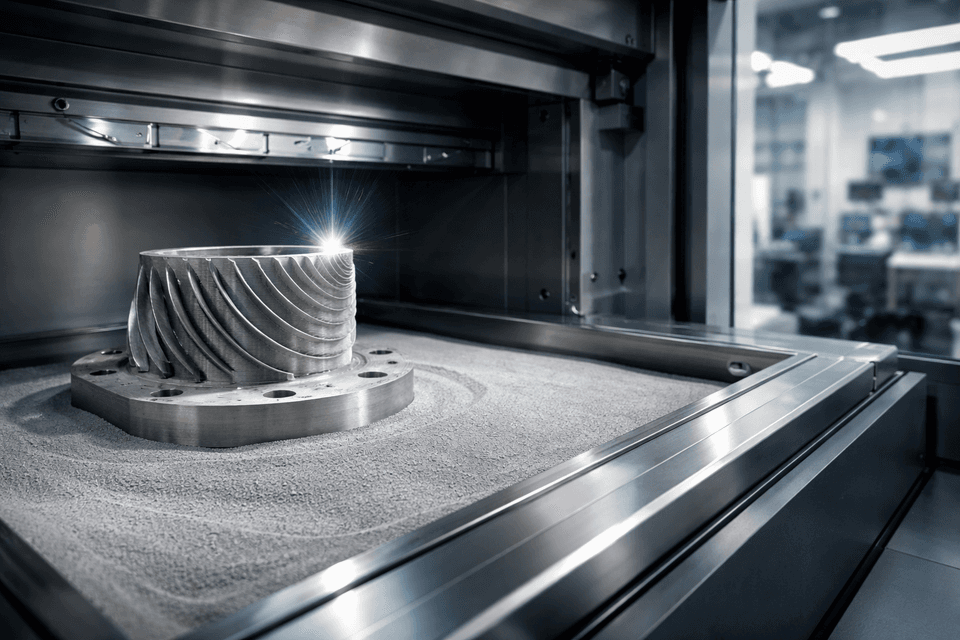
Filaments is a long, thin strand of material that is used in additive manufacturing, particularly in 3D printing. It often consists of thermoplastics such as PLA, ABS or PETG, which are melted through an extrusion process and applied in layers to create three-dimensional objects. In industrial manufacturing, filament enables the precise and cost-efficient production of complex components and prototypes. The material properties of the filament, such as strength, flexibility and temperature resistance, directly influence the quality and functionality of the manufactured products. Therefore, the selection of the appropriate filament type is crucial for the efficiency and reliability of production processes in the modern manufacturing industry.
Dictionary
BlankA blank is a semi-finished product that is created after the primary machining process and serves as the starting material for further production. In industrial production, the blank forms the basis for various downstream processing steps such as machining, shaping or surface treatment. Blanks can come in different shapes and materials, for example as metal ingots, plastic granules or blocks of wood, depending on the desired end product. The quality and precision of the blank are crucial for the efficiency and accuracy of the subsequent production steps, as they form the basis for the dimensional accuracy and technical properties of the finished product. By using standardized blanks, production processes can be optimized and costs reduced, thereby increasing competitiveness in the manufacturing industry.
Dictionary
FluidityFluidity describes the ability of a material to deform or flow under certain conditions. In the manufacturing industry, flowability is crucial for processes such as casting, injection molding and extrusion, as it influences the formability and surface quality of the end product. High flowability allows the material to be evenly distributed in complex shapes and reduces the occurrence of defects such as shrinkage cavities or cracks. From an academic point of view, flowability depends on factors such as temperature, viscosity and shear stress. In practice, optimizing flowability is essential to ensure efficient production processes, enable material savings and maximize product quality, which ultimately strengthens a company's competitiveness.