Dictionary
Dictionary
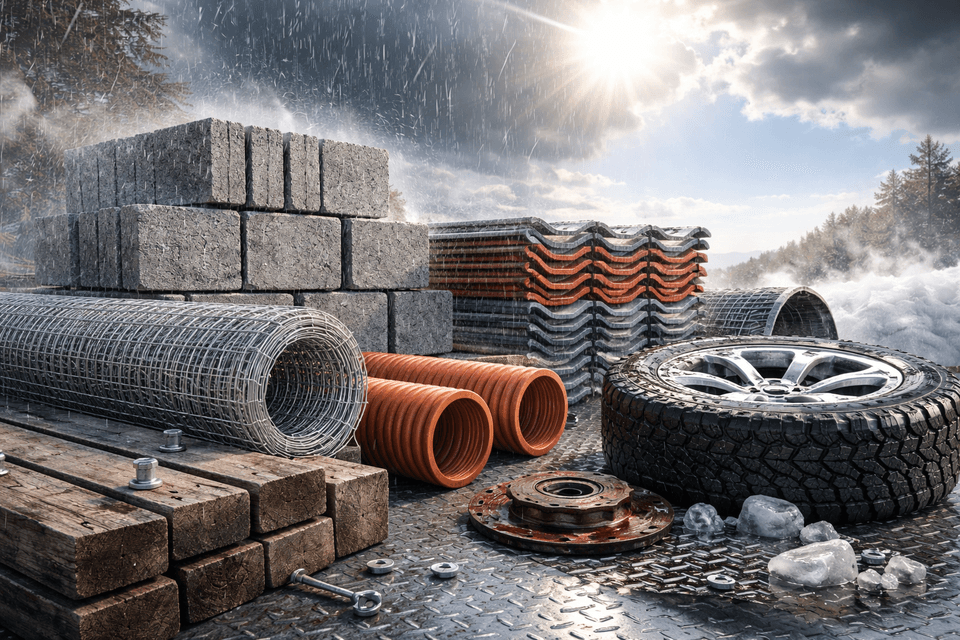
EnglishShort definitionWeather resistance refers to the ability of a material or product to withstand the effects of weather conditions such as rain, snow, sun, wind and temperature fluctuations without losing functionality, aesthetics or structural integrity. In the manufacturing industry, weather resistance is critical to the longevity and reliability of products that are used outdoors, such as building components, vehicle parts or outdoor equipment. By improving weather resistance, companies can extend the life of their products, reduce maintenance costs and increase customer satisfaction. Techniques to increase weather resistance include the selection of suitable materials, the use of coatings and the application of protective treatments.

Dictionary
Additive manufacturing is an innovative manufacturing process in which material is added layer by layer to create three-dimensional objects. This approach enables the production of complex geometries and customized components that are often not feasible with traditional manufacturing methods. In industry, additive manufacturing is used to create prototypes quickly, shorten production times and increase material efficiency. It also offers flexibility for design adjustments without additional tooling costs, making development and production more agile. By reducing waste and optimizing the use of materials, additive manufacturing contributes to sustainable production and strengthens the competitiveness of companies in a wide range of industries.
Dictionary
CorrosionCorrosion resistance is the ability of a material to withstand all influences, including chemical or electrochemical attacks. Materials with high corrosion resistance can withstand even aggressive influences such as salt or acids and are therefore not only suitable for a wide range of applications, but also retain their full functionality and strength. In part, high corrosion resistance is caused by the natural properties, but it can also be significantly improved by numerous coatings or other surface treatments afterwards.
Dictionary
FilamentsFilaments is a long, thin strand of material that is used in additive manufacturing, particularly in 3D printing. It often consists of thermoplastics such as PLA, ABS or PETG, which are melted through an extrusion process and applied in layers to create three-dimensional objects. In industrial manufacturing, filament enables the precise and cost-efficient production of complex components and prototypes. The material properties of the filament, such as strength, flexibility and temperature resistance, directly influence the quality and functionality of the manufactured products. Therefore, the selection of the appropriate filament type is crucial for the efficiency and reliability of production processes in the modern manufacturing industry.
Dictionary
HardeningHardening refers to the process of targeted strengthening of materials, particularly metals and plastics. Thermal or chemical processes are used to improve the mechanical properties of the material by strengthening its structure. In industrial production, hardening is used in the manufacture of components that require increased strength and wear resistance, such as in the automotive or mechanical engineering industries. This process is crucial to ensure the durability and reliability of products. In addition, curing enables the optimization of material properties, which increases both the performance and safety of the end products. Overall, curing makes a significant contribution to quality assurance and increased efficiency in the manufacturing industry.
Dictionary
Impact strengthImpact strength describes the ability of a material to withstand impact loads or sudden forces without breaking or permanently deforming. It is usually determined using test methods such as the Charpy or Izod impact test, in which the energy that a material absorbs at break is measured. In the manufacturing industry, impact strength is decisive for the selection of materials in safety-relevant applications, such as vehicle components or machine components that are exposed to high mechanical loads. High impact strength ensures the reliability and durability of products under changing load conditions, which helps to reduce failures and increase safety.
Dictionary
Tear strengthTear strength refers to the ability of a material to withstand an applied tensile force without tearing. It is a decisive parameter in the manufacturing industry, as it ensures the durability and reliability of products. In practice, tensile strength is measured for textiles, plastics and metals, for example, to ensure that the materials can withstand the intended loads. High tensile strength contributes to the durability and safety of components and is therefore essential for quality assurance and compliance with industry standards. By accurately determining tensile strength, manufacturers can select suitable materials and optimize their processing to achieve optimal product results.
© assemblean 2026 | All rights reserved.