Dictionary
BlankDictionary
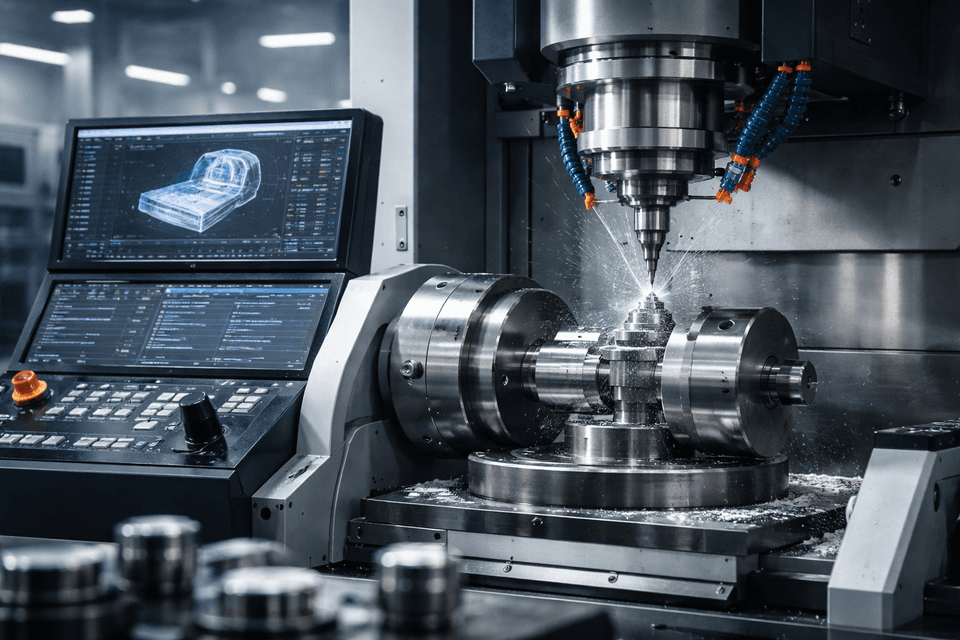
EnglishShort definitionCAM (Computer-Aided Manufacturing) software is a digital aid for the manufacturing process. By programming machines and tools, CAD models are translated into instructions that enable the machines to perform highly precise and efficient machining operations. CAM software is particularly important for metal and plastics processing because it automates manufacturing processes, reduces human errors, and improves product quality. Examples of CAM programs include Mastercam and SolidCAM.
Dictionary
BlankA blank is a semi-finished product that is created after the primary machining process and serves as the starting material for further production. In industrial production, the blank forms the basis for various downstream processing steps such as machining, shaping or surface treatment. Blanks can come in different shapes and materials, for example as metal ingots, plastic granules or blocks of wood, depending on the desired end product. The quality and precision of the blank are crucial for the efficiency and accuracy of the subsequent production steps, as they form the basis for the dimensional accuracy and technical properties of the finished product. By using standardized blanks, production processes can be optimized and costs reduced, thereby increasing competitiveness in the manufacturing industry.
Dictionary
Cutting toolThe cutting tool is a special type of tool that is required for cutting, dividing or machining a workpiece. It is particularly needed in various CNC processes such as turning, milling or drilling. Cutting tools are usually made of hard materials such as steel or diamond to improve precision and tool life. This is particularly important when the workpieces themselves are made of hard materials. The choice of the right cutting tool depends on various factors, such as the material hardness, surface quality or type of machining.
Dictionary
DXF fileThe DXF file is a special CAD file format that enables the exchange of 2D and 3D drawing data between CAD programs. The file format can capture information, texts and other details of a drawing and is therefore often used in architecture, mechanical engineering or graphic design. DXF files are platform-independent and therefore enable smooth transfer between different programs. Geometric shapes supported by the format include circles, lines and arcs, making the format particularly suitable for sheet metal working to place parts on a sheet.
Dictionary
Rapid prototyping (Manufacturing)Rapid prototyping encompasses all processes that can quickly and cost-effectively create prototypes from digital drawings. The best-known manufacturing processes for such production include 3D printing, laser sintering and CNC machining. Rapid production means that the design and functionality of a product can be checked and improved more frequently and efficiently, reducing development times.
Dictionary
Subtractive manufacturingSubtractive manufacturing refers to a manufacturing process in which material is removed from a blank using various techniques such as turning, milling or drilling to form the desired end product. This process is widely used in the metal, plastics and wood industries. It enables the precise production of complex components with tight tolerances and high surface quality. Subtractive manufacturing is essential for series production, prototyping and customization in manufacturing technology. By using modern CNC machines (computerized numerical control), efficiency and accuracy can be further increased, making companies more competitive.
Dictionary
WorkpieceIn manufacturing, a workpiece refers to the basic blank or starting material that is shaped using various machining processes such as turning, milling or grinding. It forms the basis for the manufacture of an end product and can comprise metal, plastic or other materials. Workpieces are manufactured precisely according to technical drawings and specifications in order to achieve the desired dimensions and properties. The quality and accuracy of the workpiece is crucial for the functionality and durability of the finished product. In industry, the efficient machining of workpieces enables high production quality and contributes to the optimization of manufacturing processes.
© assemblean 2026 | All rights reserved.