Detail
Weldability
Stainless steel AISI 304L is a low‑carbon variant of AISI 304 that reduces hardening during welding. It is therefore very well suited to welding. The low carbon content also lowers the risk of intergranular corrosion, so corrosion resistance is generally retained after welding and weld toughness is high. Common welding processes include TIG and MAG (MIG); shielded‑metal‑arc (electrode) welding is also possible. Neither preheating nor post‑weld heat treatment are required. For optimal results, using a similar filler metal such as AISI 308L is recommended.
Detail
Machinability
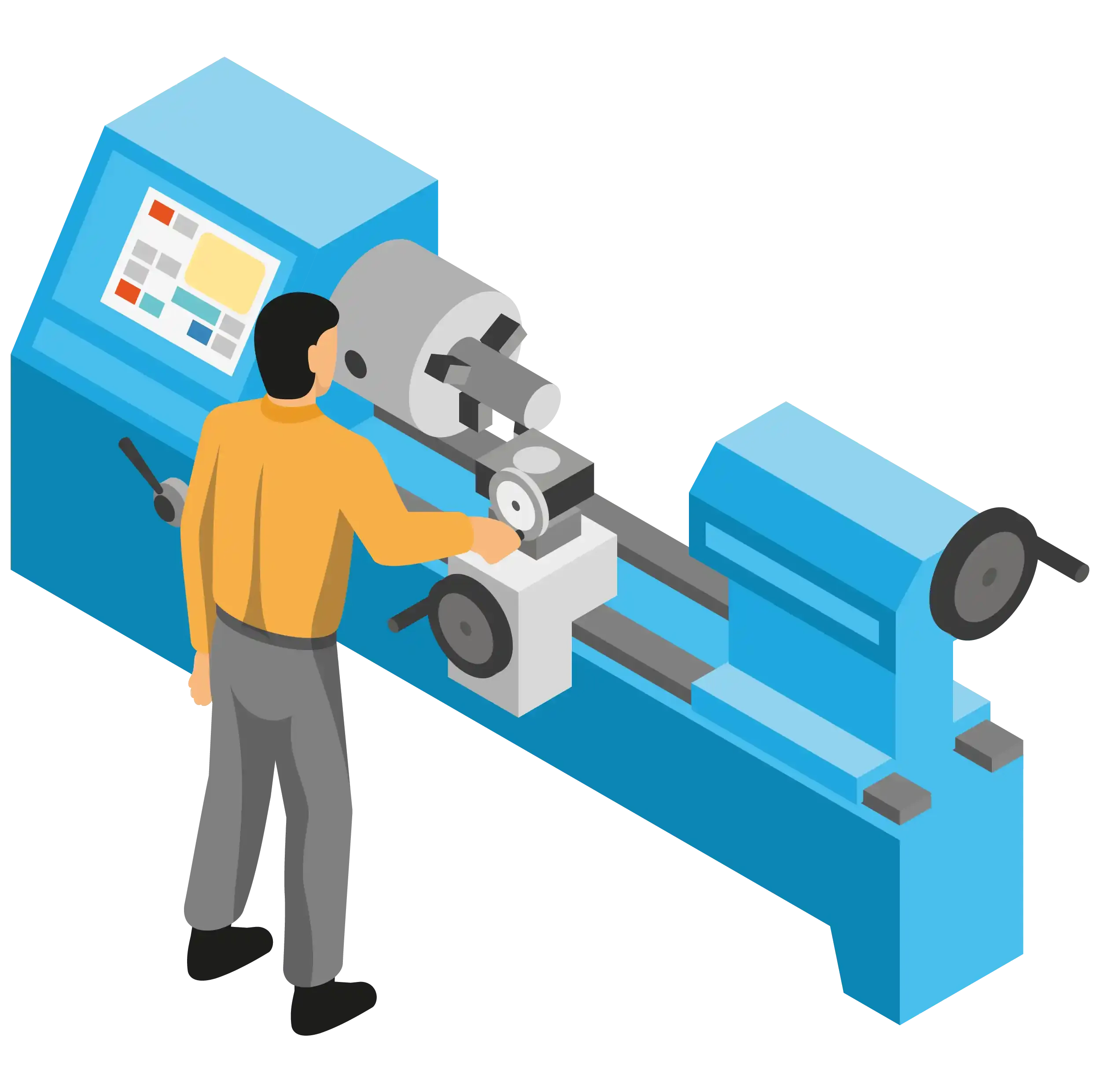
As with other austenitic stainless steels, the machinability of 1.4306 is only moderate. Due to the material’s toughness, carbide tools and sufficient lubrication/coolant are recommended to reduce tool wear. Slower cutting speeds with higher feeds can improve machining performance.
Detail
Forgeability
AISI 304L exhibits very good forgeability. As with many stainless steels, slow heating is advised. Heat to approximately 1150–1180°C, then forge in the range 950–1180°C. After forging, perform solution annealing at around 1050°C followed by rapid cooling in water or air to preserve optimal mechanical properties.