Detail
Weldability
The weldability of EN AW 2017A is poor compared with other materials for MIG and TIG welding processes. This is due to the high copper content which makes the alloy prone to cracking. Therefore, appropriate welding methods and filler materials must be chosen carefully and welding parameters must be strictly controlled. Alternative joining methods may be preferable.
Detail
Machinability
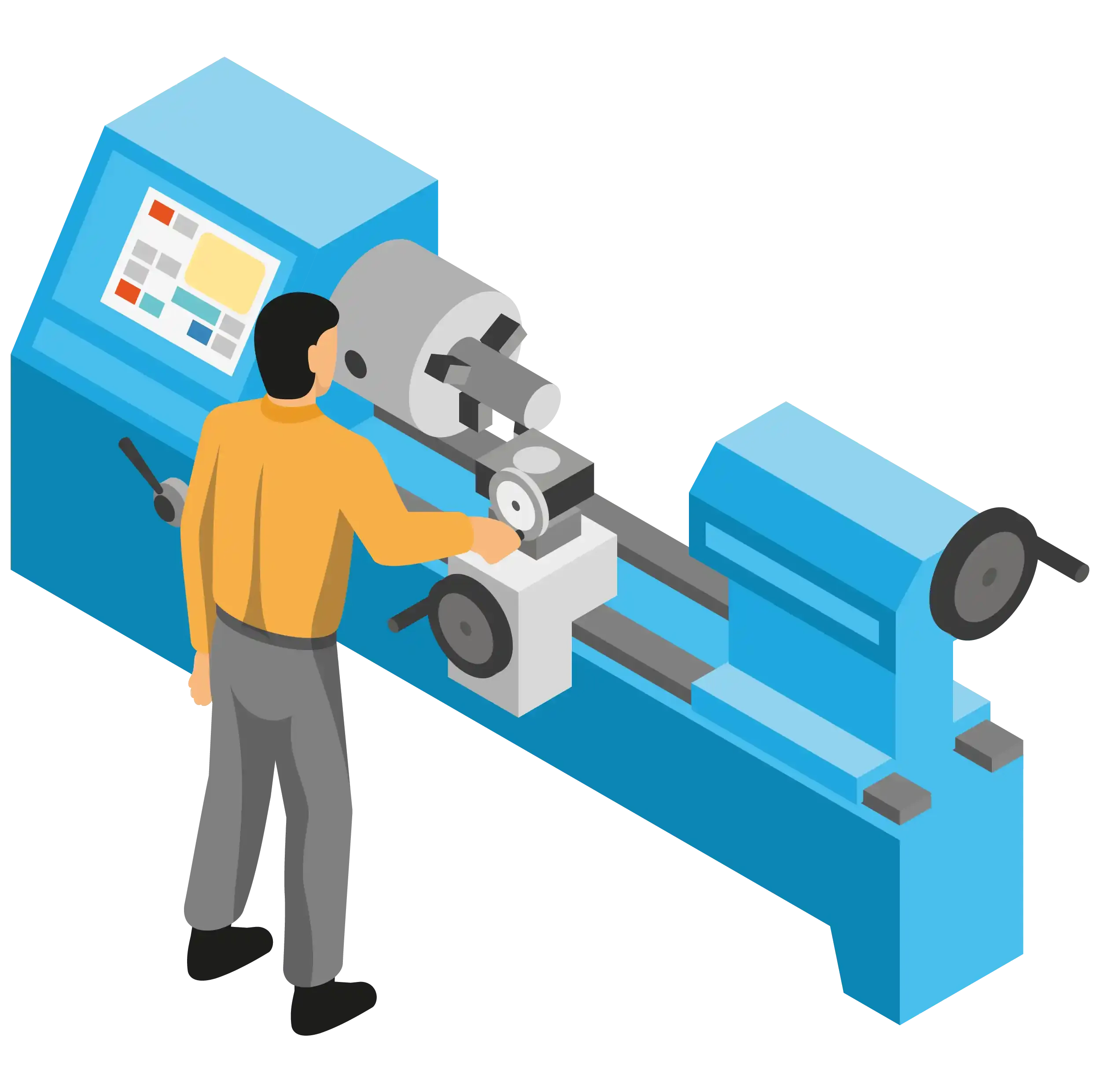
EN AW 2017A has excellent machinability. High cutting speeds, good chip formation and clean surface quality allow economical production of precision components. Medium to high feed rates are possible without degrading surface finish. Carbide or coated tools are recommended to minimize wear and extend tool life. Tool wear is moderate, enabling comparatively long tool life.
Detail
Forgeability
EN AW 2017A forges well, particularly when heated. The preferred temperature range is 350°C to 450°C to avoid cracking and other forming defects. Post-forging heat treatments such as solution annealing and artificial aging are often applied to increase hardness and strength.