Dictionary
StabilityDictionary
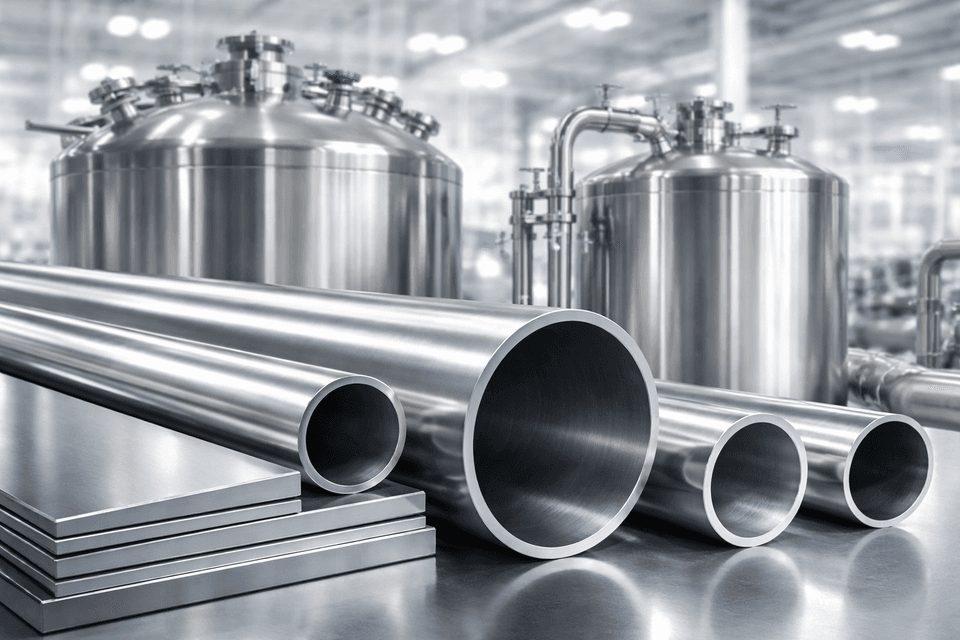
EnglishShort definitionThe wall thickness refers to the thickness of the wall of a component, such as a pipe, container or sheet metal. The wall thickness is decisive for various mechanical properties of a component, such as strength, stability and load-bearing capacity. The optimum wall thickness is not only important for the specific requirements of the product, but also for cost-optimized production. Cleverly selected wall thicknesses can help to make production less complicated and therefore more cost-effective.
Dictionary
StabilityStability refers to the stability and safety of an object. Decisive factors for the calculation of stability include mass distribution, material strength and various external influences. The stability is particularly important for large structures in order to ensure a suitable choice of material and a long service life of a building structure.
Dictionary
ProfileA profile shows the cross-section of a component in which the shape and properties are defined. Specific profiles can be used to meet desired requirements, such as stability or strength. The choice of the optimum profile depends on various factors, such as the load-bearing capacity and the area of application.
Dictionary
ResilienceResilience is the ability of a material to withstand stresses such as external forces or loads without failure. This property is of central importance in the manufacture and design of components, particularly in construction and mechanical engineering. The load limit of a material/component can be determined using various tests. The load limit varies depending on the physical properties of the material or the condition and processing of the component. A high load-bearing capacity is particularly important for safety and durability.
Dictionary
Screw cylinderA screw cylinder is a mechanical component that uses a screw thread to convert rotary motion into linear motion. In the manufacturing industry, screw cylinders are often used in applications that require precise positioning and controlled movements, such as conveyors, lifting devices or automation systems. Thanks to their robust design and high accuracy, screw cylinders enable reliable and efficient control of machine components, which significantly increases production quality and speed. They are also characterized by a good load-bearing capacity and low maintenance requirements, making them widely used in various sectors such as the automotive industry, packaging technology and the mechanical engineering industry.
Dictionary
Fatigue strengthFatigue strength is the ability of a material to withstand repeated loading during operation without failure. It is calculated from the fatigue, the material properties and the real operating conditions. The fatigue strength can be predicted in advance using various tests and simulations. High fatigue strength has a positive effect on reliability and durability, which is particularly important in the automotive and aviation sectors as well as in mechanical engineering.
Dictionary
Impact strengthImpact strength describes the ability of a material to withstand impact loads or sudden forces without breaking or permanently deforming. It is usually determined using test methods such as the Charpy or Izod impact test, in which the energy that a material absorbs at break is measured. In the manufacturing industry, impact strength is decisive for the selection of materials in safety-relevant applications, such as vehicle components or machine components that are exposed to high mechanical loads. High impact strength ensures the reliability and durability of products under changing load conditions, which helps to reduce failures and increase safety.
© assemblean 2026 | All rights reserved.