Dictionary
cavityDictionary
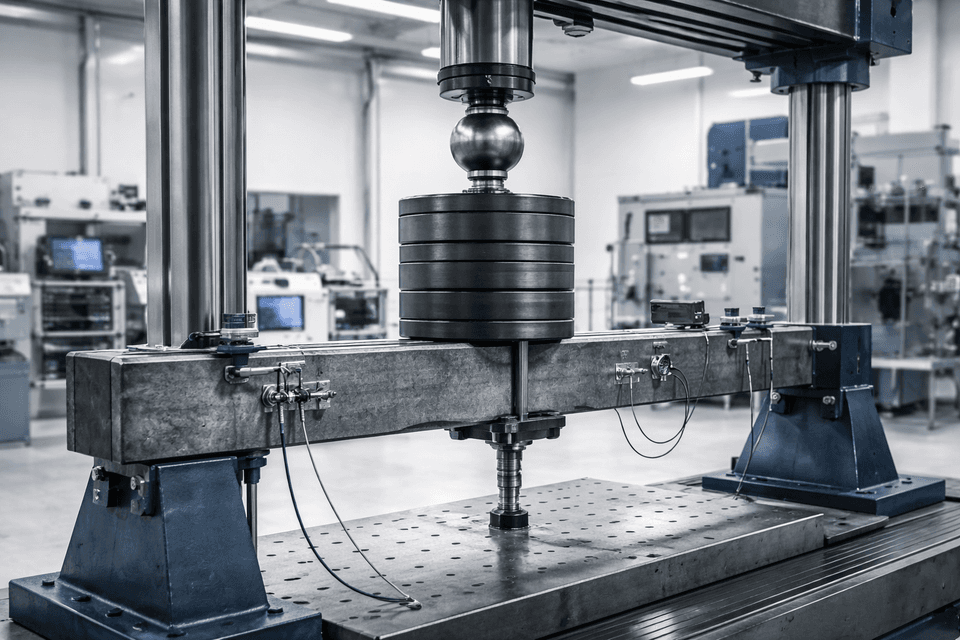
EnglishShort definitionResilience is the ability of a material to withstand stresses such as external forces or loads without failure. This property is of central importance in the manufacture and design of components, particularly in construction and mechanical engineering. The load limit of a material/component can be determined using various tests. The load limit varies depending on the physical properties of the material or the condition and processing of the component. A high load-bearing capacity is particularly important for safety and durability.
Dictionary
cavityIn modern mechanical engineering, the production of precise and high-quality components plays a central role. One of the key technologies for manufacturing such components is injection molding, a process that is used in numerous industries from automotive to medical technology. An essential part of this process is the cavity in the injection molding tool. But what exactly is behind this concept, and what is the importance of the cavity for the quality and efficiency of production? This article provides a comprehensive insight into the world of cavities in mechanical engineering, explaining their function, design and practical applications, as well as future developments in this field.
Dictionary
Fatigue strengthFatigue strength is the ability of a material to withstand repeated loading during operation without failure. It is calculated from the fatigue, the material properties and the real operating conditions. The fatigue strength can be predicted in advance using various tests and simulations. High fatigue strength has a positive effect on reliability and durability, which is particularly important in the automotive and aviation sectors as well as in mechanical engineering.
Dictionary
HardeningHardening refers to the process of targeted strengthening of materials, particularly metals and plastics. Thermal or chemical processes are used to improve the mechanical properties of the material by strengthening its structure. In industrial production, hardening is used in the manufacture of components that require increased strength and wear resistance, such as in the automotive or mechanical engineering industries. This process is crucial to ensure the durability and reliability of products. In addition, curing enables the optimization of material properties, which increases both the performance and safety of the end products. Overall, curing makes a significant contribution to quality assurance and increased efficiency in the manufacturing industry.
Dictionary
Impact resistanceImpact resistance describes the strength of a material under sudden loads, such as hard blows or impacts. In various tests, such as the Charpy or Izod test, the impact resistance is determined by testing the material for sudden loads until it breaks or tears. High impact resistance is particularly important for applications with high dynamic loads. This is achieved by certain plastics or alloy steels, for example.
Dictionary
Impact strengthImpact strength describes the ability of a material to withstand impact loads or sudden forces without breaking or permanently deforming. It is usually determined using test methods such as the Charpy or Izod impact test, in which the energy that a material absorbs at break is measured. In the manufacturing industry, impact strength is decisive for the selection of materials in safety-relevant applications, such as vehicle components or machine components that are exposed to high mechanical loads. High impact strength ensures the reliability and durability of products under changing load conditions, which helps to reduce failures and increase safety.
Dictionary
Screw cylinderA screw cylinder is a mechanical component that uses a screw thread to convert rotary motion into linear motion. In the manufacturing industry, screw cylinders are often used in applications that require precise positioning and controlled movements, such as conveyors, lifting devices or automation systems. Thanks to their robust design and high accuracy, screw cylinders enable reliable and efficient control of machine components, which significantly increases production quality and speed. They are also characterized by a good load-bearing capacity and low maintenance requirements, making them widely used in various sectors such as the automotive industry, packaging technology and the mechanical engineering industry.
© assemblean 2026 | All rights reserved.