Module assembly - How individual parts form a whole
From individual component to ready-to-use module: Module assembly is the key step in integrating preassembled units into your machines, systems, or devices. Depending on complexity, mechanical and mechatronic assemblies are mounted – efficiently, reproducibly, and quality-assured
From individual component to ready-to-use module: Module assembly is the key step in integrating preassembled units into your machines, systems, or devices. Depending on complexity, mechanical and mechatronic assemblies are mounted – efficiently, reproducibly, and quality-assured.
In this article, you will learn:
what module assembly really means,
which processes are involved,
how mechanical and mechatronic assemblies differ,
what requirements exist for the assembly process,
and how assemblean supports you with implementation.
What is module assembly?
In module assembly, prefabricated individual parts and subassemblies are joined into a functional unit. The goal is to create a ready-to-install
Feedback to ERP / MES / quality assurance systems.
5. Packaging & Shipping
Transport-safe, functionally appropriate, and optionally with instructions or assembly sketches.
Optional: direct integration into customer logistics.
Mechanical or Mechatronic – What's the Difference?
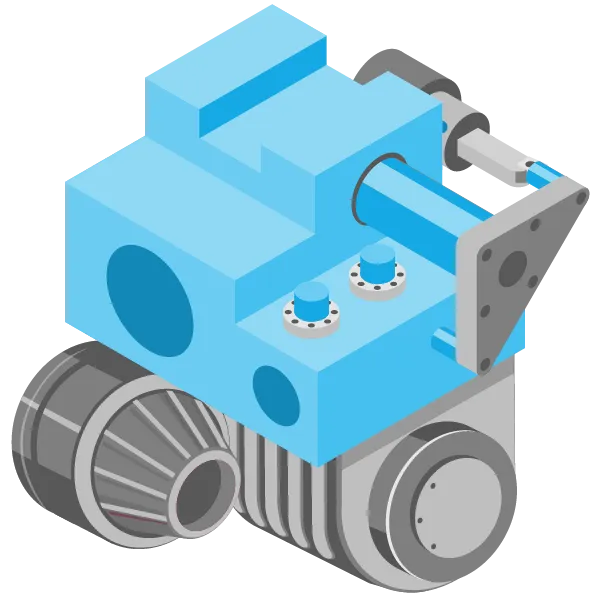
Mechanical assembly – purely mechanical connection of parts
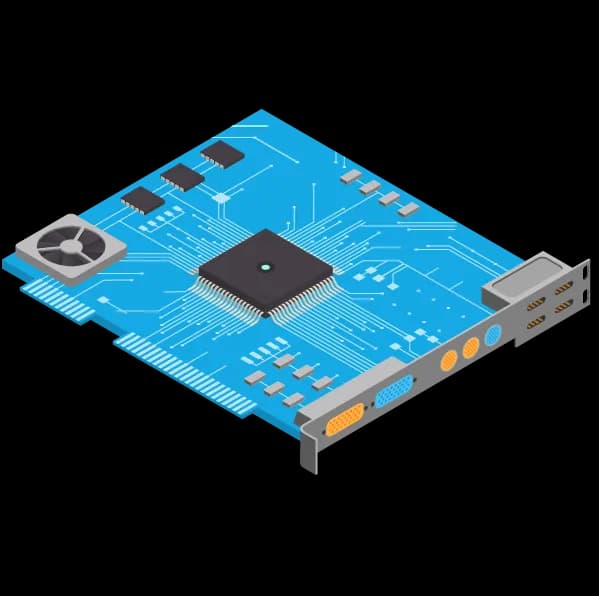
Mechatronic assembly – integration of electronics, sensors, and possibly software
Mechanical Assemblies
Consist only of mechanical components (e.g., bearings, brackets, housings).
Assembly by screwing, riveting, pressing.
Testing is usually visual and mechanical only.
Mechatronic Assemblies
Additionally equipped with electronics (sensors, PCBs, motors).
Higher requirements for ESD protection, EMC testing, software upload.
Often more complex testing procedures – e.g., in-circuit or function tests.
assemblean advantage: Our teams are trained in both areas – so you receive fully tested assemblies from a single source.
Requirements for high-quality module assembly
Precision and Repeatability
Clear assembly instructions and defined process steps
Use of torque tools, calibration devices, and gauges
Flexibility and Variant Capability
Quick retooling for product variants
Part marking to avoid mix-ups
Quality Assurance
In-process and final inspections with documented feedback
Error prevention via poka-yoke, worker guidance, visual aids
Traceability
Serial numbers, test reports, assembly documentation
Integration into ERP/MES systems possible
assemblean advantage: Our workstations are modular and software-supported – ensuring consistent quality even under changing requirements.
When Is outsourced module assembly worth it?
Outsourcing to specialized partners like assemblean offers many benefits:
Relieves your own production
Reduces internal interfaces
Access to assembly expertise and specialized equipment
Predictable costs through standardized processes
Scalability for series production or special projects
Whether single units, small series, or serial production – we ensure your assemblies are mounted exactly as needed.
Practical Example: Assembly of a Mechatronic Control Module
Initial Situation: An OEM requires preassembled control modules incl. wiring harness, housing, PCB, and interface to the main system.
assemblean Solution:
Procurement of all individual parts and subassemblies
ESD-compliant assembly with screw connections and cable preparation
Software upload, function test (signal processing, voltage check)
Serial number documentation, packaging, shipping to customer’s assembly line
Result: Significantly reduced assembly time at the customer site and improved testing quality.
FAQ – Frequently asked questions about module assembly
What is the difference between subassembly manufacturing and module assembly?
→ Manufacturing includes production and pre-assembly of individual parts; assembly refers to joining them into a functional unit.
How long does it take to assemble a module?
→ Depending on complexity and batch size: from a few minutes to several hours – standardization can greatly reduce time.
How can quality be ensured?
→ Through structured assembly processes, test plans, worker guidance, and traceable documentation.
What role does tolerance accuracy play?
→ A central one: even small deviations can complicate assembly. That’s why we check geometric tolerances early on.
Module Assembly – The Key to Efficient Systems
Module assembly is more than just “screwing things together”: it’s a strategic process step between individual part production and the final product – with a direct impact on quality, time, and cost.
assemblean offers you:
Experience in mechanical and mechatronic assembly
Ready-to-install assemblies with test reports
Flexible scaling and high delivery reliability
Would you like to outsource specific assembly processes or make your production more efficient? Get in touch – we’ll develop the right solution together.