Dictionary
CorrosionDictionary
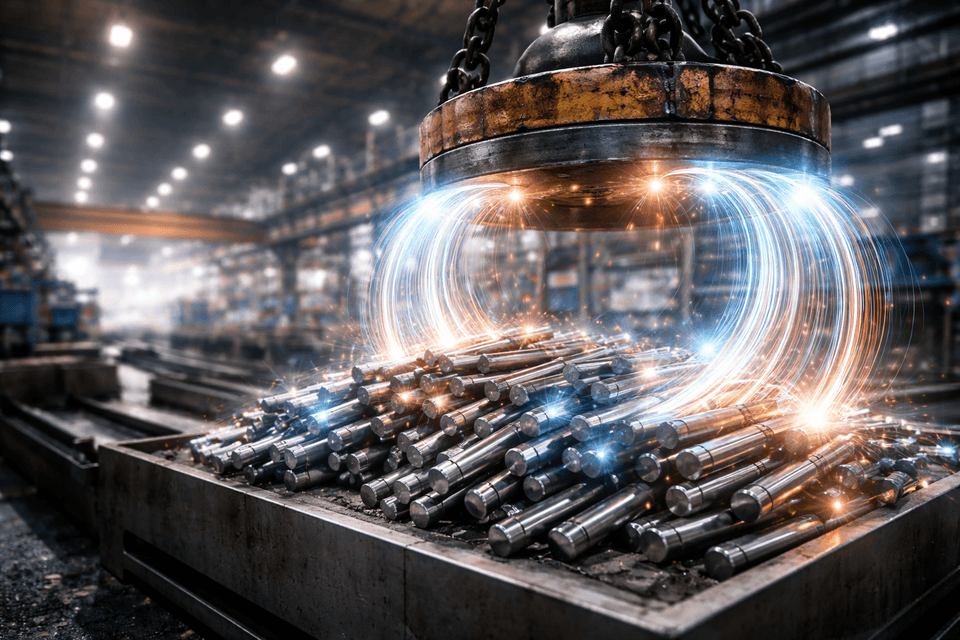
EnglishShort definitionMagnetizability describes the ability of a material to develop its own magnetic properties under the influence of an external magnetic field. Materials such as iron, nickel and cobalt, some of which retain their magnetic properties even after the external magnetic field has been removed, are particularly suitable for this process. The magnetizability of a material is characterized by its permeability. High magnetizability makes materials particularly interesting for electrical engineering or magnetic bearings.
Dictionary
CorrosionCorrosion resistance is the ability of a material to withstand all influences, including chemical or electrochemical attacks. Materials with high corrosion resistance can withstand even aggressive influences such as salt or acids and are therefore not only suitable for a wide range of applications, but also retain their full functionality and strength. In part, high corrosion resistance is caused by the natural properties, but it can also be significantly improved by numerous coatings or other surface treatments afterwards.
Dictionary
ElasticityElasticity is the ability of a material to return to its original shape when the deformation is removed by a released load. Elasticity is typically measured by the Young's modulus, which expresses the relationship between stress and strain. Materials with high elasticity, such as rubber, can return to their original shape even after high stress or deformation without compromising their mechanical properties.
Dictionary
Electrical conductivityElectrical conductivity indicates how well a material can conduct electrical current. This is characterized by the conductivity coefficient and is measured in siemens per meter (S/m). Materials with very high electrical conductivity, such as copper, are essential for use in electrical cables and circuit boards. Electrical conductivity depends on the freely available electrons in the material.
Dictionary
HardeningHardening refers to the process of targeted strengthening of materials, particularly metals and plastics. Thermal or chemical processes are used to improve the mechanical properties of the material by strengthening its structure. In industrial production, hardening is used in the manufacture of components that require increased strength and wear resistance, such as in the automotive or mechanical engineering industries. This process is crucial to ensure the durability and reliability of products. In addition, curing enables the optimization of material properties, which increases both the performance and safety of the end products. Overall, curing makes a significant contribution to quality assurance and increased efficiency in the manufacturing industry.
Dictionary
Impact strengthImpact strength describes the ability of a material to withstand impact loads or sudden forces without breaking or permanently deforming. It is usually determined using test methods such as the Charpy or Izod impact test, in which the energy that a material absorbs at break is measured. In the manufacturing industry, impact strength is decisive for the selection of materials in safety-relevant applications, such as vehicle components or machine components that are exposed to high mechanical loads. High impact strength ensures the reliability and durability of products under changing load conditions, which helps to reduce failures and increase safety.
Dictionary
ResilienceResilience is the ability of a material to withstand stresses such as external forces or loads without failure. This property is of central importance in the manufacture and design of components, particularly in construction and mechanical engineering. The load limit of a material/component can be determined using various tests. The load limit varies depending on the physical properties of the material or the condition and processing of the component. A high load-bearing capacity is particularly important for safety and durability.
© assemblean 2026 | All rights reserved.