Detail
Weldability
AISI 430 (1.4016) is a ferritic stainless steel that is known to be difficult to weld. This is mainly because welding can promote grain growth, which leads to embrittlement and a significant reduction in corrosion resistance and surface quality. If AISI 430 is welded, TIG (GTAW) and laser welding are preferred, as they allow optimal control of heat input and avoid overheating. It is also important to cool the material slowly after welding and to use similar filler materials such as 1.4302 or 1.4551 to achieve the best results.
Detail
Machinability
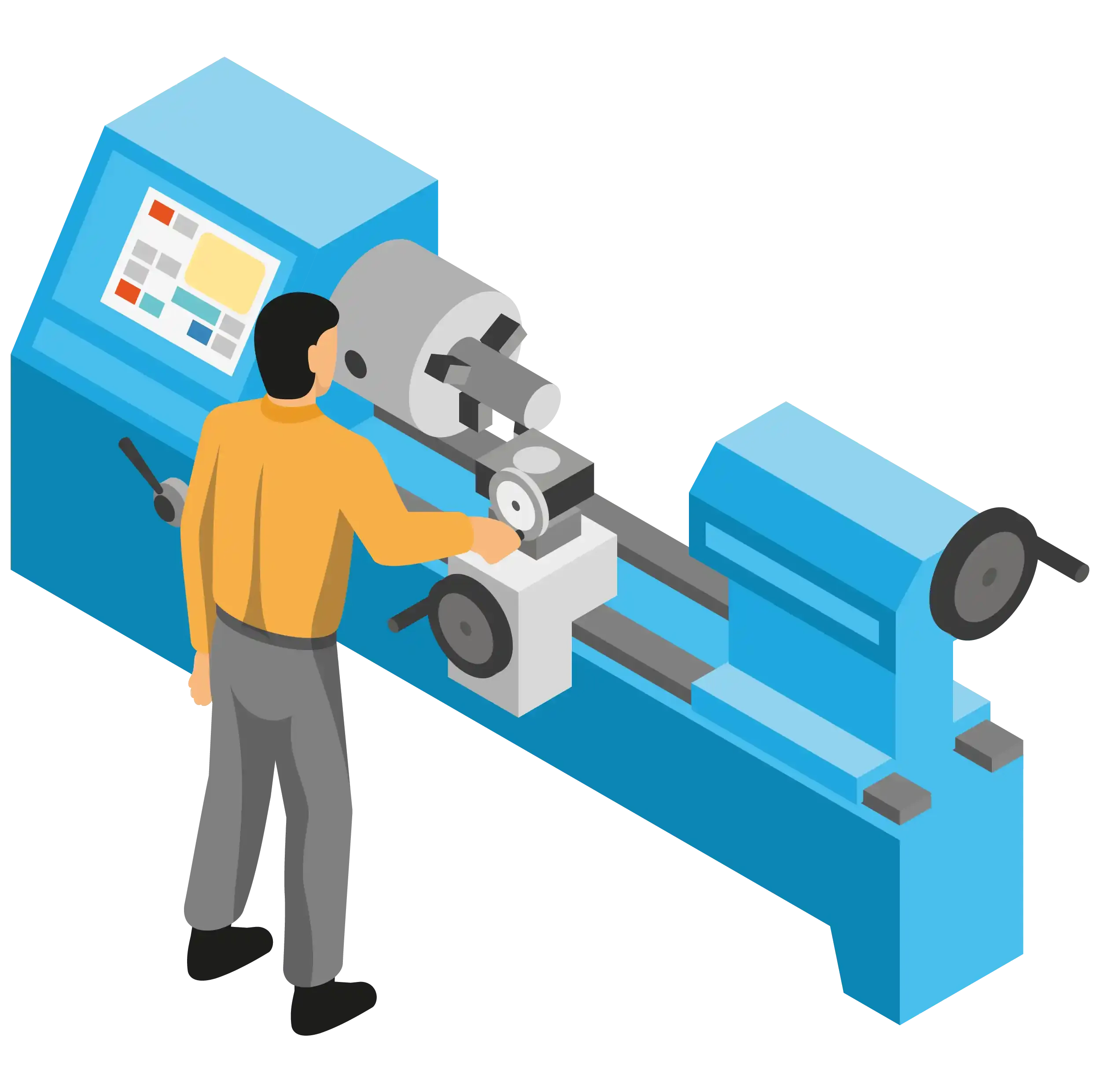
1.4016 has average machinability. Reductions in performance should be expected mainly due to possible smearing or built-up edge during machining. Therefore, select appropriate cutting speeds and, if necessary, use lubricants or coolants to avoid thermal loads and increased tool wear. Coated tools and cemented carbide tooling are especially suitable for machining 1.4016.
Detail
Forgability
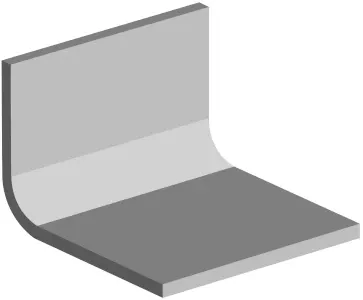
The material forges well. Heat 1.4016 to up to 1130°C and forge in the range 750 - 1130°C. Afterwards cool by air. It is important to control and slow the cooling to avoid crack formation.