Basic Principle of Injection Molding
Injection molding is a process in which molten plastic is injected under high pressure into a mold cavity. After cooling, the material solidifies into a finished part, which is then ejected from the mold. This process is particularly suitable for mass production of complex-shaped plastic parts with high dimensional accuracy and surface quality.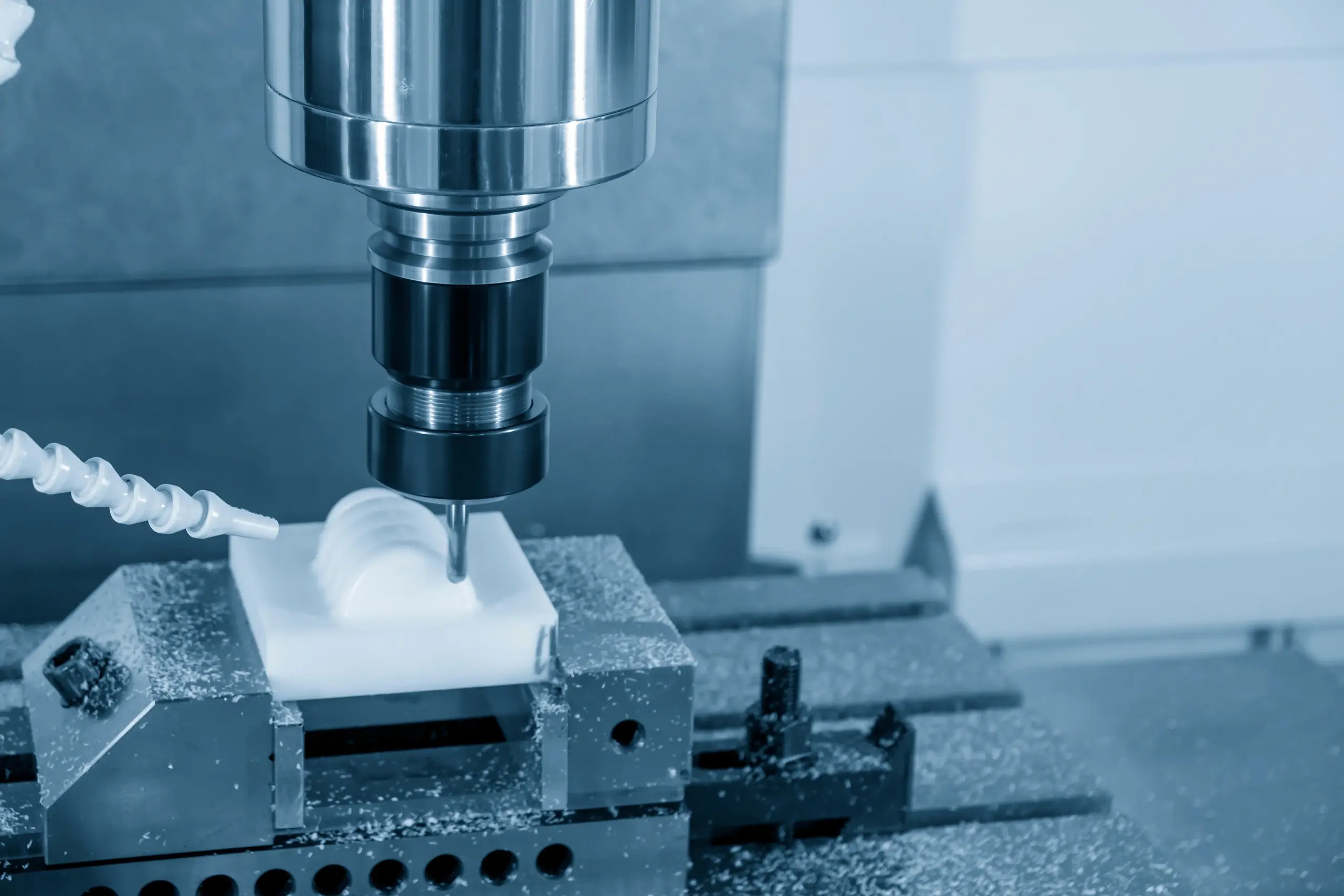
Main Types of Injection Molding
1. Thermoplastic Injection Molding
Definition and Materials: Thermoplastic injection molding is the most common form of injection molding. Thermoplastic materials such as ABS, polypropylene (PP), polycarbonate (PC), and nylon are heated until they melt and then injected into the mold.
Applications: This process is used for a variety of products, from consumer goods such as toys and household appliances to technical components like automotive parts and medical devices.
Advantages:
- Reusability: Thermoplastics can be melted and solidified multiple times.
- Flexibility: A wide range of materials allows the production of various products.
- High production speed: Ideal for mass production.
Challenges:
- Requires precise control of processing temperatures.
- Design requirements such as uniform wall thicknesses and sufficient draft angles are essential.
2. Thermoset Injection Molding
Definition and Materials: Thermoset injection molding uses thermosetting plastics such as epoxy resins, phenolic resins, and liquid silicone rubber (LSR). These materials cure irreversibly and cannot be remelted after curing.
Applications: Thermosets are commonly used for applications requiring high temperature and chemical resistance, such as seals, electronic housings, and highly durable mechanical parts.
Advantages:
- High-temperature resistance: Ideal for applications with high thermal requirements.
- Chemical resistance: Resistant to many solvents and chemicals.
- Dimensional stability: Once cured, thermosets retain their shape permanently.
Challenges:
- Non-recyclable after curing.
- Higher material costs and longer curing times compared to thermoplastics.
3. Liquid Silicone Rubber (LSR) Injection Molding
Definition and Materials: Liquid silicone rubber (LSR) injection molding uses special liquid silicone that cures at high temperatures. LSR is a thermosetting material with high flexibility and durability.
Applications: LSR is commonly used for producing flexible seals, medical devices, flexible electronic components, and soft parts such as grips and switches.
Advantages:
- High flexibility: Ideal for soft and flexible parts.
- Biocompatibility: Suitable for medical and food applications.
- Fast curing: Shortens production cycles.
Challenges:
- Requires specialized injection molding machines and processing techniques.
- Higher costs for materials and processing.
4. Overmolding
Definition and Methods: In overmolding, two or more different materials are combined in one process. There are two main methods:
- Insert Overmolding: Simple materials such as metal parts are placed into the mold before the second material is injected.
- Multi-material Overmolding: Two plastics with different properties are injected into the mold in succession.
Uses: Overmolding is often used to create products with different levels of hardness, such as: B. ergonomic handles, which use a hard plastic for structure and a soft plastic for the handle.
Advantages:
- Versatility:Combination of different materials for improved functionality./span>
- Design freedom:Enables more complex and feature-rich parts.
Challenges:
- Precise controlof process parameters is necessary to ensure good surface and adhesion between materials.
- Greater complexityin the injection molding process.
5. Two-Component (2K) Injection Molding (Twin-Shot)
Definition: Two-component injection molding, also called twin-shot, is a process in which two different plastics are processed in a single injection molding cycle.
Applications: Commonly used for components with integrated gripping materials, such as car handles made from a rigid plastic core overlaid with a soft, non-slip material.
Advantages:
- Integrated material properties: Combines the benefits of both materials in a single part.
- Reduced production time: Requires only one injection molding cycle instead of separate processes.
Challenges:
- More complex injection molding machines required.
- More difficult process for precise material control.
6. Gas-Assisted Injection Molding
Definition: In gas-assisted injection molding, an inert gas is injected into the mold cavity to partially displace the plastic, creating hollow sections within the part.
Applications: Suitable for large, thin-walled parts such as stabilizers, housings, or large automotive components that need to be lightweight yet strong.
Advantages:
- Weight reduction: Creates hollow sections that make the part lighter.
- Material savings: Reduces material usage without compromising strength.
Challenges:
- Increased process complexity.
- Difficult pressure control and quality assurance.
7. Insert Molding
Definition: Insert molding is a process in which pre-manufactured components (inserts), such as metal parts, are placed into the injection mold before the plastic is injected.
Applications: Used in the automotive industry for parts with embedded metal components, such as screws, connectors, and joints.
Advantages:
- Enhanced functionality: Integrates metal and plastic parts for increased durability and functionality.
- Automation potential: Well-suited for automated production processes.
Challenges:
- Precise positioning of inserts in the mold.
- Ensuring adhesion between the insert and plastic.
- Technical aspects and design considerations.
Mold Design
An optimal mold design is crucial for the success of the injection molding process.Important design factors include:
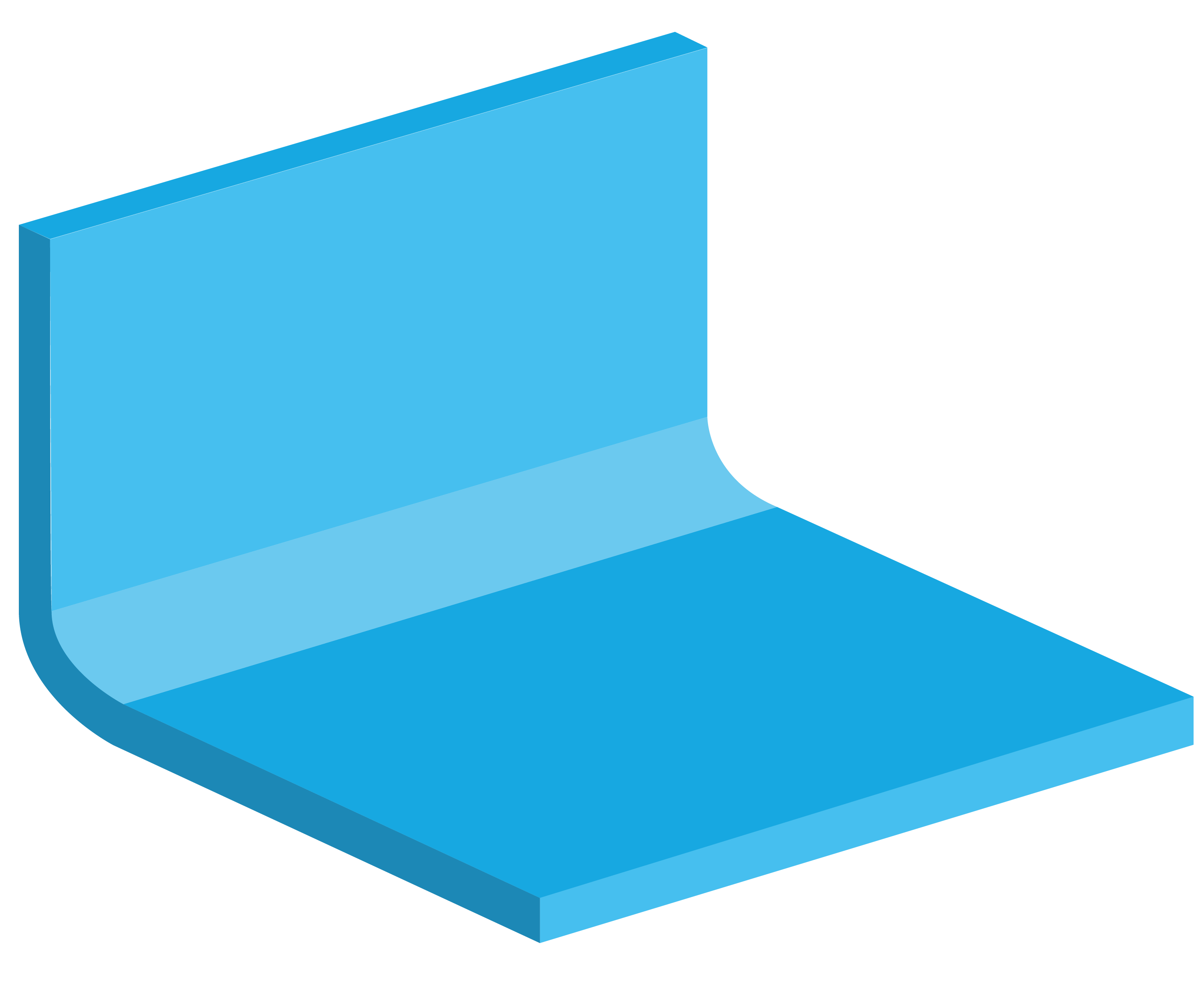
- Draft angles: Facilitate part ejection and prevent deformation. The image below shows an example of optimal draft angles. The blue-shaded draft angle allows for easier molding due to its rounding.
- Wall thickness: Uniform wall thicknesses reduce the risk of sink marks and warpage.
- Ribs: Reinforce the part and increase structural integrity without significant material use.
If you want detailed information on mold design in injection molding, check out our blog post on Injection Molding Design Guidelines. This post covers key guidelines such as wall thickness and draft angles.

Gates and Ejector Systems:
Gates: Are the entry points for the molten material into the mold and must be strategically placed to ensure uniform filling of the cavity.
Ejector pins: Help remove the finished part from the mold without causing damage.
Quality Control and Material Selection: Choosing the right material and strict quality control are essential for producing consistent and functional parts. Modern methods such as parameter-controlled and process-optimized injection molding help increase process stability and meet quality standards.
Future trends and innovations in injection molding
Digitalization and Process optimization: The integration of digital technologies into the injection molding process enables more precise control of parameters and more efficient production planning. Techniques such as computer-aided mold and process simulation support the optimization of molds and the entire manufacturing process.Conclusion
Injection molding offers a variety of processes that vary depending on material, design requirements and production volume. From classic thermoplastic injection molding to specialized processes such as LSR injection molding and twin-shot to innovative techniques such as gas-assisted and insert molding - the variety of injection molding types enables the production of almost any type of plastic part.Choosing the right process depends on several factors, including the desired material properties, the complexity of the part, and the production volume.
By the way, we will be happy to support you in making the optimal choice - through DFM feedback for your parts, we can always guarantee you optimal parts with cost-efficient injection molding processes. Please take a look at our injection molding page.
Do you have more questions or an idea for production? Then feel free to send us a request!